


Budget-Friendly Nutrition: Cost Per Serving of Milk Powders Vs Cartons

Budget-Friendly Nutrition: Cost Per Serving of Milk Powders Vs Cartons
Jan 27, 2026 | By JOI team
February is creeping in, and with it comes the quiet realization that the new year glow has faded, but grocery prices absolutely have not. The planners are still cute, the resolutions are, well, evolving, and somehow food costs more every time you blink. This is usually the moment we start rethinking how we eat, how we spend, and why we keep donating half-used cartons of plant-based milk to the back of the fridge until they expire in silence.
So let’s talk about a genuinely practical upgrade: milk powders.
In this blog, we’re breaking down the real cost per serving of milk powders versus cartons, why powders win the long game, and how switching can save you money without sacrificing your oat latte, smoothie, or “I deserve a cozy drink” lifestyle.
The Growing Popularity of Plant-Based Milk
Plant-based milk didn’t become mainstream by accident. The shift is happening for very real, very practical reasons:
- Dairy-Free: no lactose-induced plot twists, like your love life.
- Lower in calories and lighter on your gut.
- Better environmental footprint than dairy.
- Versatile to the T: coffee, tea, smoothies, baking, sauces, soups- you name it.
At this point, plant-based milk is less of a trend and more of a household name. Like streaming subscriptions. Or reusable water bottles.



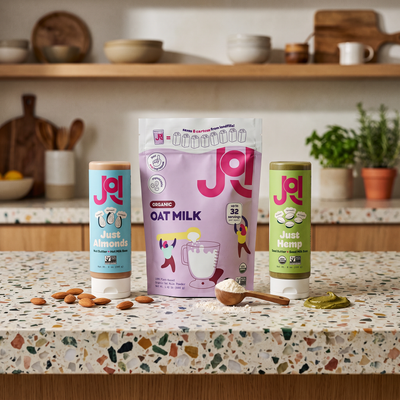
Milk powders are the logical step in evolution. They are stable on the shelf and do not need the constant attention of a fridge
Almond, cashew, soy, or any other plant-based milk can live in your pantry for months. No refrigeration. No leaks. No “who opened this carton” confusion.
They are ideal for:
- Kitchens
- Travellers
- Any emergency, because everyone wants to be a main character sometimes.
- People who hate grocery runs more than their bosses.
Comparing the Cost Per Serving: Milk Powders Vs Carton
A normal-size 250-gram carton of almond milk powder costs around 8.99 dollars and makes about 20 servings (1 tablespoon per cup).
That is equal to 45 cents per serving. Now compare that to a 1-litre carton of liquid almond milk at 2.99 dollars, which gives you about 4 servings.
That is 75 cents per serving.
And that is assuming you finish the carton before it expires, which, statistically speaking, is optimistic.
Bottom Line: Powders look expensive at first glance, then quietly save you money like that financially responsible friend.
How to Calculate the Cost Per Serving of Milk Powders
The basic formula to calculate it is pretty straight-forward all you need is:
1 tablespoon powder= 1 cup liquid milk
Using our earlier example:
- Almond milk powder: 8.99 dollars for 250 grams, i.e., 20 cups.
- Liquid almond milk: 2.99 dollars for 1 litre, i.e., 4 cups.
When you compare cup to cup, powders win- not just on price, but on control.
The Advantage of Larger Quantities
Buying powders in bulk is where things really get smug.
Plant-based milk powder significantly reduces the cost per serving. You are essentially investing upfront to stop paying a “convenience tax” every week.
This is Costco math. The good kind.
Milk Powders Vs Cartons: Which is Better?
Milk powders are concentrated by nature. You are not paying a penny for water; you are paying for almonds (in this economy, that is a steal).
Cartons? Let us be honest, it is mostly water, plus added sugars, stabilizers, and preservatives, performing an interpretive dance in the ingredient list.
Almond milk powder keeps things simpler and more nutrient-dense per serving.
Almond, Oat, And Soy Milk Powder Benefits
Almond milk powder:
Light, mild, and endlessly adaptable. Almond milk powder is low on drama and high on versatility; great for coffee, smoothies, baking, and everyday use. It delivers creaminess without heaviness and is naturally lower in calories, making it ideal for people who want balance without sacrificing texture.
Oat milk powder:
Comfort in powdered form. Oat milk powder is naturally soft, slightly sweet, and excellent for adding body without overpowering flavor. It shines in lattes, porridges, soups, and baked goods, and is especially loved for its gut-friendly, cozy feel.
Soy milk powder:
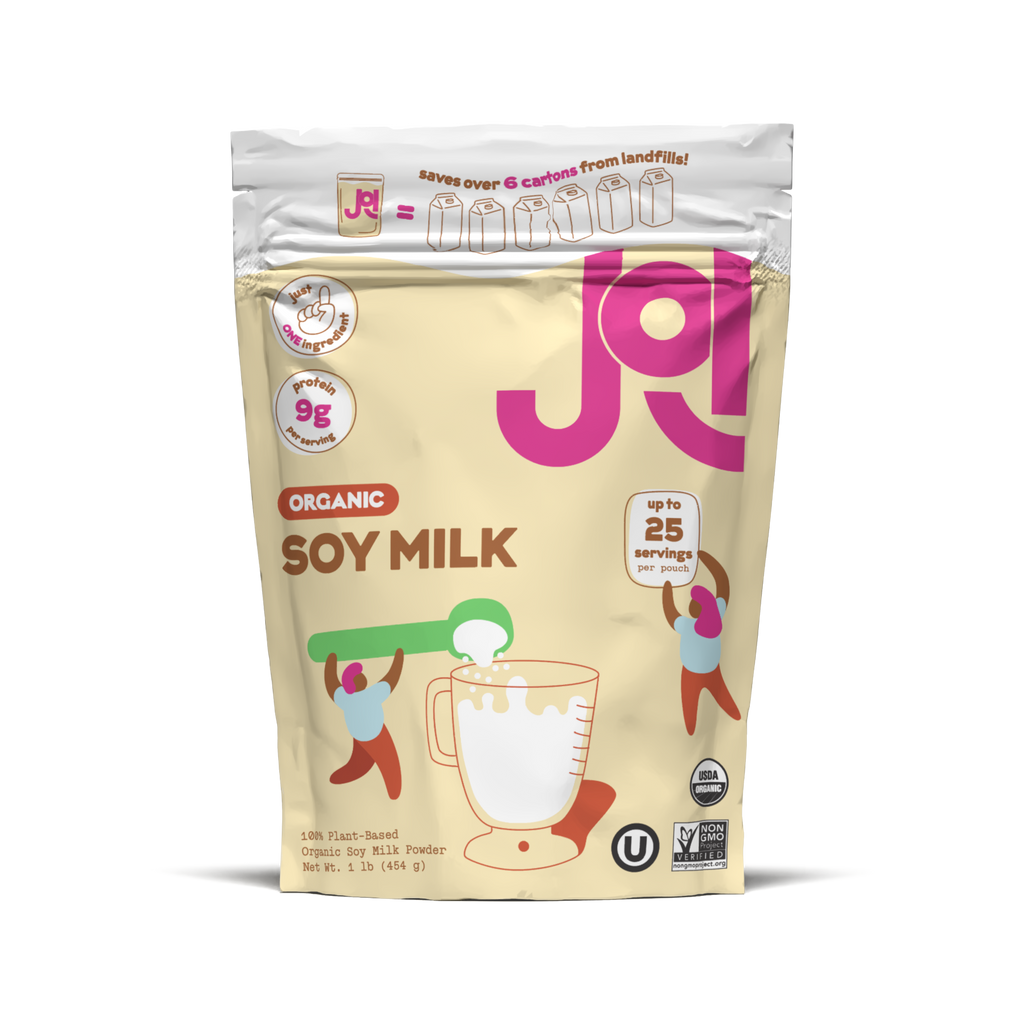
The protein-forward powerhouse. Soy milk powder is neutral, reliable, and closest to dairy in performance. It works beautifully in recipes that need structure; think sauces, baking, smoothies, and even plant-based cheeses. If nutrition and consistency are priorities, soy shows up and delivers.
Different powders, different strengths, choose your fighter.
Easy Ways to Incorporate Milk Powder into Your Daily Routine

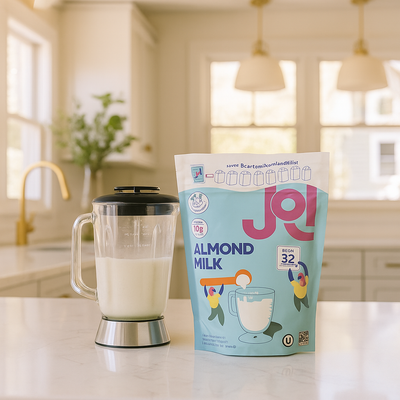
It's surprising how simple it is to make a cup of plant milk from powder:
- Just add powder
- add water
- mix it in
This is super helpful for coffee, tea, hot chocolate, and those 10 p.m. emergency comfort drinks.
Some of the things milk powder works wonders in are:
- baking (also works in muffins and pancakes)
- sauces and soups
- smoothies
Soft, sweet, and great for baking is the oat milk powder. For curries, the almond milk powder is rich and perfect. For creamy sauces and vegan cheese, the cashew milk powder works wonders.
FAQs
Can I use powdered milk in recipes?
Definitely, in fact, they are arguably more suitable and the crowd favourite.
In terms of baking, is almond milk powder or oat milk powder better?
Almond powder is lighter, whereas oat powder is sweet and creamy. Clearly, both of them meet the standards.
Are milk powders healthier than the liquid version?
Often, yes, fewer additives and more concentration.
Reset with a Budget-Friendly, Plant-Based Pantry
Switching to any plant-based milk is not about deprivation or a soul-sucking diet choice; it is about smarter spending, less waste, and more control (because neither your gut nor your purse can handle those half-used cartons of milk).
In 2026, a budget-friendly pantry doesn’t mean sacrificing quality. It means choosing options that last longer, cost less per serving, and actually improve your health.
Make the switch. Save money. Reduce waste. And enjoy JOI plant-based milk products without the dairy, or the drama.
 CHECKOUT


