


Oat Milk Specialty Coffee: Why It Became the Rising Star of the Café World

Oat Milk Specialty Coffee: Why It Became the Rising Star of the Café World
Jun 24, 2026 | By JOI team
Dairy-free milk used to feel like the extra option on café menus. Most people ordered it only when they had to. Now it has quietly become part of everyday coffee culture. Oat milk specialty coffee moved from a backup option to a first choice because it genuinely improved the cup. The texture feels smoother, the flavor stays balanced, and the coffee still tastes like coffee. It also fits naturally into more plant-based routines without feeling heavy or overly sweet. The milk changed, but the standards got higher.
People still wanted something café-friendly and home-friendly, and oat milk managed to deliver both without trying too hard. In this guide, we explore how oat milk became the rising star in your coffee orders.
Why Specialty Coffee Cares So Much About the Milk
In the specialty coffee world, milk is not a side character. It changes how the entire drink feels, from sweetness and texture to the way espresso lands on the palate. A good coffee shop pays attention to that balance because the coffee still has to taste like coffee. The milk should support the espresso, not hide it.
That is where many plant-based options struggled. Some felt the drink was too watery; others overpowered it with strong flavors. Texture is part of flavor, whether we admit it or not, especially in milk-based coffee.
People choosing alternative milk are not only looking at ingredients anymore. They still want a cup that feels smooth, balanced, and complete from the first sip to the last.
Why Oat Milk Specialty Coffee Took Off So Fast
Oat milk specialty coffee became popular because oat milk solved problems that many plant-based options could not. It brought creaminess without making the drink feel heavy, and the flavor stayed mild enough to let the espresso remain the focus.
That balance matters more than people realize. Some dairy-free milks disappear completely once they hit coffee, while others overpower the drink with strong flavors. Not every plant milk understands espresso; oat usually does.
It is soft enough to support, neutral enough not to steal the show. In both hot and iced drinks, it creates a smoother texture that feels more complete in the cup. It also performs consistently in café drinks. Honestly, it behaves like it wants to be there.
What Oat Milk Gets Right in Espresso Drinks
Oat milk works well in espresso drinks because it blends smoothly into coffee without covering the flavor. It softens without disappearing.
In cappuccinos and flat whites, it creates a smoother texture and a more rounded sip. In iced drinks, it adds body without making the coffee too heavy. The espresso still leads, but the edges round out.
That is why oat milk espresso drinks became common in specialty cafés. The balance feels cleaner and easier to drink.
Creamy enough to matter, subtle enough to stay out of the way, oat milk supports the structure of the drink without overpowering it. For many coffee drinkers, that balance fits naturally into a daily coffee routine.
The Oat Milk Latte Became the Gateway Drink for a Reason
For many people, the oat milk latte is the drink that makes oat milk finally click. First the latte, then everything else.
Lattes make comparison easy because texture, sweetness, and balance become obvious quickly. One drink, very little hiding.
That is why it became the easiest way to understand the hype. Oat milk keeps enough creaminess to feel familiar without making the drink too heavy.
It also works well for people trying alternative milk for the first time. The flavor does not compete with the espresso, and the texture still feels balanced.
A good oat milk latte does not feel like a replacement. It feels like a coffee drink designed to stand on its own.
Where Oat Milk Still Has to Prove Itself
Oat milk is popular, but it does not work equally well in every coffee drink. Category winner, not automatic perfection.
Some versions taste too sweet. Others feel too thick or lose texture in hot espresso. Not all cartons earned the same reputation.
That is why the best oat milk for coffee depends on performance, not branding. It needs to steam properly, hold texture, and stay balanced in the cup.
Some oat milks show up ready; some really do not.
In specialty coffee, small differences become noticeable quickly. Weak formulas can leave drinks tasting flat or grainy, especially in milk-heavy orders. The better versions improve texture without overpowering the espresso.
Why Baristas Keep Reaching for Oat Milk

Coffee shops depend on consistency. Baristas do not want surprises in the pitcher during a busy shift.
That is one reason barista oat milk became common in specialty cafés. It steams reliably and creates a texture customers already recognize and enjoy.
The milk has to do its job and let the coffee do its job.
Oat milk also works across hot drinks, iced drinks, and espresso-heavy orders without major adjustments behind the counter. Consistency matters when the line is out the door.
Compared to stronger plant-based alternatives, oat milk remains mild enough to support the drink without significantly altering the flavor profile.
Why JOI Fits the Future of Oat Milk Specialty Coffee

Part of the appeal of oat milk specialty coffee lies in its convenience. People want café texture at home without storing multiple cartons or dealing with short fridge life.
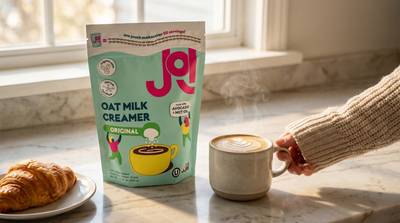
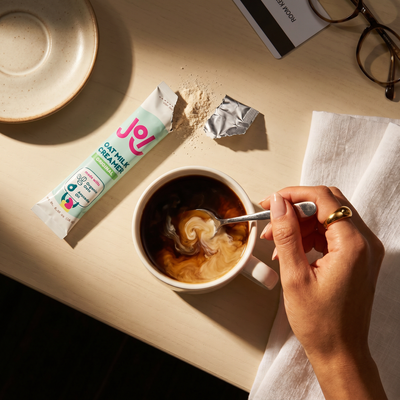
JOI Oat Milk Creamer solves that directly. It keeps the cup creamy and plant-based while giving more control over texture and portion size. Without sipping the seed oils.
Café texture, pantry logic.
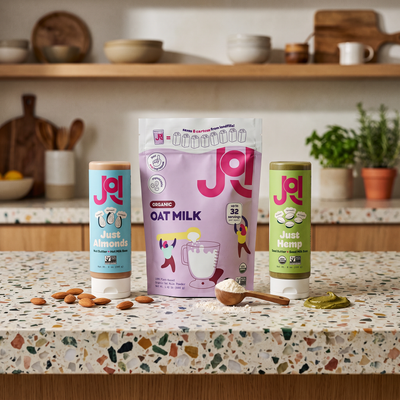
JOI’s oat milk creamer is built for coffee, tea, and smoothies. It creates a frothy texture in both hot and iced drinks while keeping the ingredient list short.
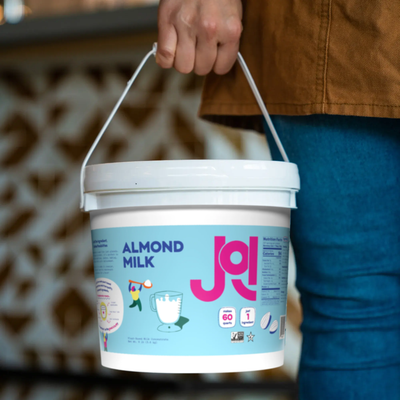
There is also less carton commitment and more control. People can mix only what they need for the drink they want.
The shelf-stable format fits daily coffee routines more easily than constantly replacing refrigerated alternatives. It feels built for real coffee routines, not just an ingredient list.
What Alternative-Milk Drinkers Actually Want Now
The non-dairy coffee category changed because people stopped looking only for dairy replacements. They started looking for products that actually perform well in coffee.
The standard moved.
Texture matters more. Ingredient lists matter more. Reliability matters more. Convenience matters, but so does the sip.
That shift explains why oat milk stayed relevant in specialty coffee. Better versions improved the drinking experience instead of simply replacing dairy.
People also became more selective about what they keep at home. They want fewer unnecessary ingredients and fewer products that go unused in the refrigerator.
Not just plant-based, but better-performing,
Daily coffee habits last when the drink feels easy, balanced, and consistent.
The Better Coffee Routine Starts With a Better Fit
Oat milk became popular in specialty coffee because it improved the cup itself. The trend stuck because the cup got better.
It offered a balanced flavor, a smoother texture, and greater café-to-home adaptability than many other plant-based options. Better texture, better routine.
That is why products like JOI fit naturally into the category. People want coffee that feels smooth and consistent without adding extra steps to the morning.
The best coffee habit is the one that still works on Tuesday morning.
For people building a plant-based coffee routine at home, JOI offers a simple way to get a specialty-coffee texture without overcomplicating the process.
 CHECKOUT


