


Debunking Myths: How Coffee and Kidney Stones Are Really Connected

Debunking Myths: How Coffee and Kidney Stones Are Really Connected
May 12, 2026 | By JOI team
“Don’t drink too much coffee, it will give you kidney stones!”
This is a myth that often shows up, usually said with a sense of certainty but with very little context. Coffee gets blamed for being too caffeinated, too acidic, or for containing oxalates that supposedly lead to kidney stones. It sounds neat, but the body does not work in such straight lines.
Coffee and kidney stones are a more layered topic than the myth suggests. The drink is only part of the story. Hydration still runs the meeting. Your overall fluid intake, your diet, and what you put into your cup all play a role as well.
This blog busts the myth and looks at plant-based options that keep your coffee habit feeling lighter and more balanced.
Why the Coffee and Kidney Stones Conversation Gets So Confusing
A lot of confusion comes from mixing different kidney issues into one bucket. One kidney headline, five different meanings, and suddenly everything feels connected when it is not.
Kidney health, kidney disease, and kidney stones are often used interchangeably, but they are not the same thing. Still, they get discussed as if they are.
Then caffeine gets blamed by default. Oxalates enter the conversation next, and everything starts to feel suspicious.
Not every kidney health tip belongs to every kidney issue. Stone type changes the advice. Kidney stones also differ, with types such as calcium oxalate and uric acid stones, each carrying distinct risks.
So, a blanket rule like “avoid coffee” does not really hold up.
Does Coffee Cause Kidney Stones? Here’s the Short Answer
The simple answer is no. Coffee and kidney stones are not a clean villain story.
Research does not support the idea that coffee directly increases risk. A 2022 systematic review and meta-analysis found that higher caffeine intake was linked with a lower risk of developing kidney stones. UK Biobank data also showed that higher total fluid intake, including coffee, was associated with a lower likelihood of stones.
Lower risk is not the same as magic protection. Coffee is not a cure, but it is also not the problem it is made out to be. The usual blame does not match the evidence.
What the Research Actually Suggests About Coffee and Kidney Stones
The numbers help put things into perspective. The data are more reassuring than the myth.
A 2022 meta-analysis covering over 772,000 people found that those with the highest caffeine intake had about a 32 percent lower risk of kidney stones compared to those with the lowest intake. That is a meaningful difference.
The UK Biobank study adds context. Each extra 200 mL of fluid per day was linked with a 13 percent lower risk, with coffee and tea showing similar patterns.
The National Kidney Foundation also highlights genetic evidence pointing in the same direction.
Coffee may help, but water is still the headliner. Lower risk is helpful, not a free pass.
What About Caffeine, Oxalates, and All the Other Things People Blame?

But when discussing kidney stones, why is caffeine questioned first?
To explain that, oxalates take over the conversation. Yes, coffee contains some. But some oxalate is not the same as automatic danger. If that were the case, foods like spinach, nuts, and whole grains would be in far more trouble for the kidneys.
This is where context beats ingredient panic. Looking at one compound in isolation rarely tells the full story.
What matters more is the pattern. How often, how much, and what else is part of the diet. Moderation does a lot of heavy lifting here, and it usually does it quietly.
The Bigger Stone Risk Factors People Miss While Blaming Coffee
Coffee gets caught up as an easy culprit. But do you know your habits matter more? These are the quiet repeat offenders.
- Not enough water is louder than coffee. When you do not give your body enough fluid, urine becomes concentrated. It causes kidney stones very easily.
- Then there is sodium. Too much salt can raise calcium levels in urine.
- And sugar, especially added sugars and high-fructose drinks, adds another layer of risk.
Sugar and sodium do not deserve a free pass. If you fix these, you are already doing more than simply cutting coffee.
Coffee Kidney Health Is Also About What We Put In the Cup
This is the part most people overlook. Coffee kidney health is not just about the coffee. The mug is innocent until the add-ins arrive.
A simple cup can turn into something else entirely once sugar, syrups, and heavy creamers get involved.
Coffee is not always the part causing the mess. A lot of the impact comes from what is added to it.
A cleaner cup changes the whole conversation. It keeps the habit simple and easier to repeat without overloading it.
Why JOI Is the Better Fit for Alternative-Milk Drinkers

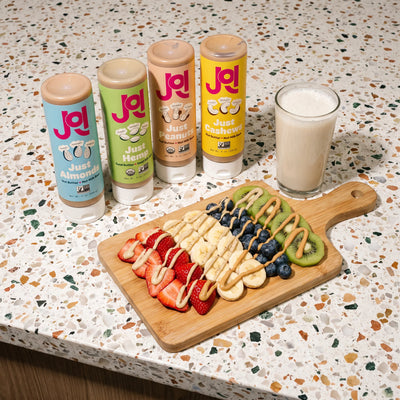
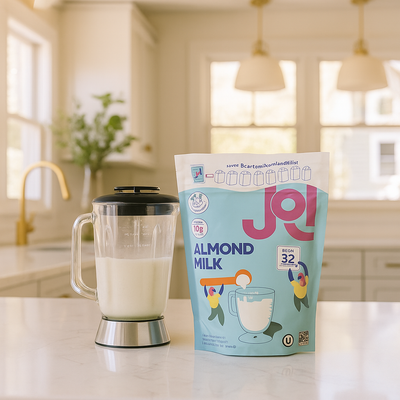
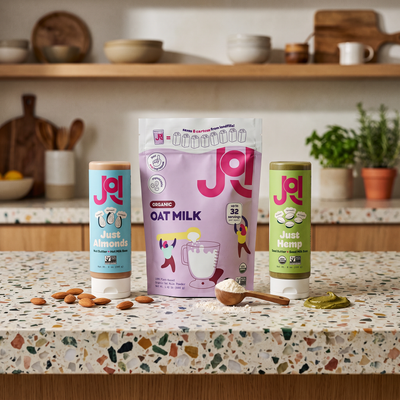
For everyone looking for a cleaner cup of coffee without compromising on taste, JOI helps you get there.
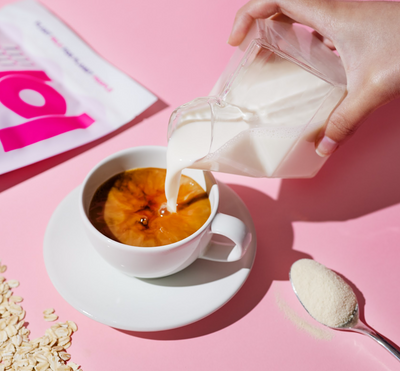
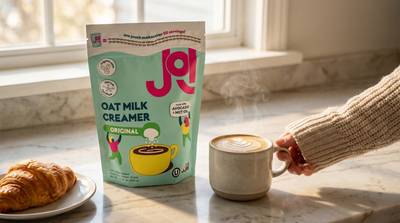
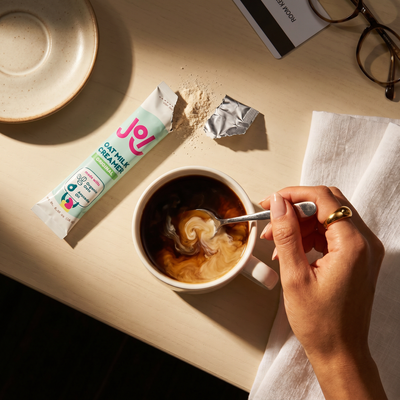
Its plant-based oat creamer is built to keep things straightforward. It has no gums, no seed oils, and no preservatives. It is shelf-stable, blends easily into hot or cold coffee, and keeps the texture smooth without turning the drink heavy.
The ingredient list stays clean. A base blend of organic oats, avocado oil, soluble tapioca fiber, MCT oil, calcium carbonate, and pectin fiber, with a small amount of cane sugar and Himalayan salt for balance.
It becomes a lighter ritual, less ingredient clutter, and easier to repeat. Clean enough to trust, creamy enough to keep.
The idea is simple. Support the coffee; do not smother it.


How to Make a More Stone-Conscious Coffee Routine Without Giving Up Coffee
You do not need to break up with coffee to be mindful about coffee and avoid kidney stones. You just need a few habits that work quietly in the background.
- Start with water. Try consuming around 6-8 glasses of water a day. Hydration is the base layer. It keeps you steady through the day.
- Keep the coffee in your routine. Try avoiding over-dependency on it.
- Make smart choices about what goes in your cup. One extra spoon of sugar can slip easily into your coffee. Try avoiding that.
This is really about better habits, not beverage perfection. Keep the ritual, change the clutter. Coffee can stay, chaos can go.
The Better Takeaway on Coffee and Kidney Stones
So, coffee and kidney stones are not linked as people often assume. Coffee is not the plot twist people think it is.
Moderate coffee is usually not the issue. The bigger drivers are hydration, daily habits, and your overall diet. Because the cup matters, but the full pattern matters more.
Don’t lessen your love for coffee. Just upgrade it cleanly with JOI.
 CHECKOUT


